Learning in Practice
What’s coming in this year’s volume for Learning in Practice?
This year, the Barker Institute’s annual journal, Learning in Practice, celebrates its 10th birthday. Volume 10 will be out early in the new year, begging the question: what are going to expect?
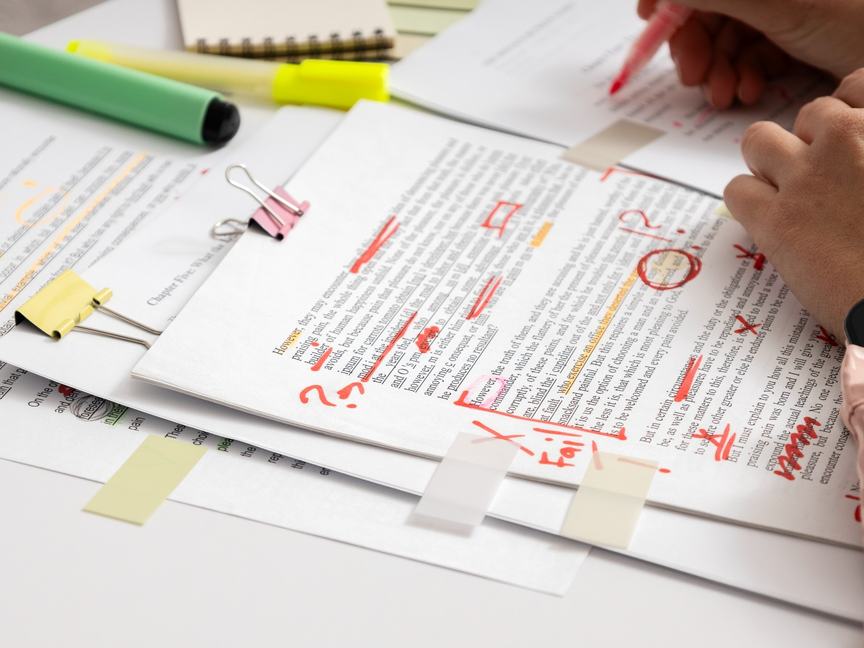
Around this time each year, I write a blog post about what to expect from the upcoming edition of the Barker Institute’s journal, Learning in Practice. It is always rewarding to see the work of colleagues come into print and to play a part in that process. This year, however, feels particularly special. The journal is celebrating its tenth anniversary.
I have only been editing the journal for five years, beginning in 2022, and, during that time, I have had the privilege of working alongside colleagues as they developed ideas into published articles. Each year follows a familiar rhythm: issuing a call for papers, discussing possible contributions, reviewing drafts, and preparing articles for publication. It is certainly demanding work, but it is always worthwhile. The opportunity to gain insight into colleagues’ classrooms, research, and reflections on teaching and learning is both enriching and inspiring.
This year's edition continues that tradition. Alongside our regular features, including the Year in Review and updates on the Barker Journey, readers will find articles exploring generative AI and education, character education, professional learning, and the role of the teacher-librarian in supporting student growth. Together, these contributions reflect the depth and diversity of thinking that exists across the School, while also engaging with some of the most significant questions currently facing education.
True to the purpose of the Barker Institute, Learning in Practice provides a means through which we can share our work with the wider educational community. As one of the lead editors over the past five years, I hope the ideas published in its pages have been useful to teachers, school leaders, researchers, and others interested in learning and educational practice. More importantly, I hope the journal has contributed to the professional conversations that ultimately help young people flourish.
Reaching ten years is a significant milestone. What began as a platform for sharing educational practice has become an important record of Barker's ongoing commitment to inquiry, reflection, and improvement. Across the past decade, Learning in Practice has captured changing educational priorities, emerging challenges, and innovative responses, while remaining grounded in a commitment to excellent teaching and learning.
As we prepare to publish the 2026 edition, I would like to thank the many staff members who have contributed articles, served as reviewers, offered feedback, or simply been willing to share their practice with others. The journal exists because of their generosity and professionalism.
I look forward to sharing this year's edition in the coming months. As always, I am confident readers will find ideas that challenge, encourage, and inspire them. That has been the strength of Learning in Practice for the past ten years, and I hope it will continue to be so for many years to come.

Dr Timothy Scott
Tim has held leadership roles in schools across Australia and abroad for 26 years, alongside teaching History and Modern Languages. He is currently the Barker Institute Principal Research Fellow. His research focuses on intercultural learning and pedagogical translanguaging, refugee education, and student voice in improving educational practice. He is a lead researcher for the Barker Institute’s ongoing decade-long longitudinal study, The Barker Journey. Alongside his research work, Tim currently teaches History and IGCSE Global Perspectives. His PhD examined socio-political influences on contemporary German conceptions of history and archaeology.

Impact of Gen AI
What are humans becoming with AI? Crowned Creatures or Sovereign Slaves?
Impact of Gen AI
What Story is AI Telling Us? Reading and Responding to the Gospel of Tech

Monthly Update
Monthly Update: Launching AI, Learning and the Developing Person

Parent Institute
The new Parent Institute: Supporting and sustaining confident parents


